
Simple Systems or Chaotic Creativity?
How Your Focus (Or Lack Of It) Could Be Affecting Your Flow

I have been doing a lot of traveling lately. Road trips. Flights. Putting in the miles.
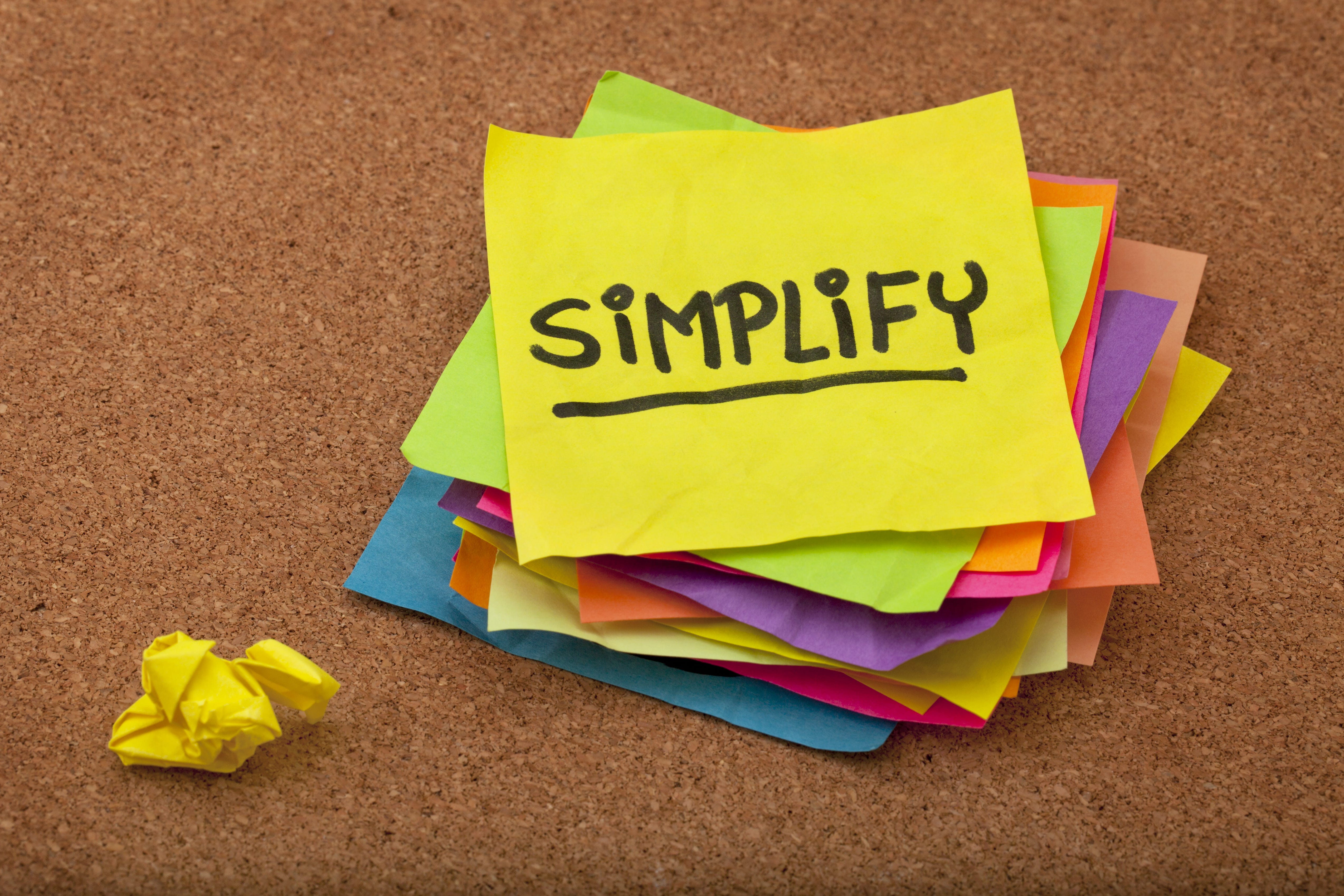
When traveling, I like to keep things as simple as possible. I travel with a small carry-on suitcase and backpack, rarely ever checking a bag on planes.
I have a place for my chargers, notebook, pen, laptop, make-up, and water bottle on board the plane. I even bring my own squishable pillow!
I wear a "uniform" of layers--jeans, tank top, zip fleece (with pockets for my phone), and lightweight Patagonia jacket. One or two dressy or professional outfits at the most. I rewear and recycle.
My biggest dilemma is always shoes--often, I have to choose between dressy shoes (only one pair) or running sneakers in order to avoid checking a bag.
Even though they may seem restrictive, these systems allow me to focus on what matters most--enjoying the trip.
Flow Starts with Focus
The first step to getting into a flow state (and getting our lives to flow) is focus. We need to know what is most important to us in each moment, and have the systems to support our ability to honor those priorities.
Focus does not mean being rigid. Once a good system becomes the reward instead of flow, we have some rethinking to do.
Rigidity, micromanaging, and control are anti-flow. Intuitive, aligned systems are pro-flow.
Any system we design for our lives should boost our ability to be flexible and pivot easily; systems exist to serve our ability to flow.
But simple systems aren't always the answer.
There are also times when chaos feeds flow.
Chaos Can Breed Flow
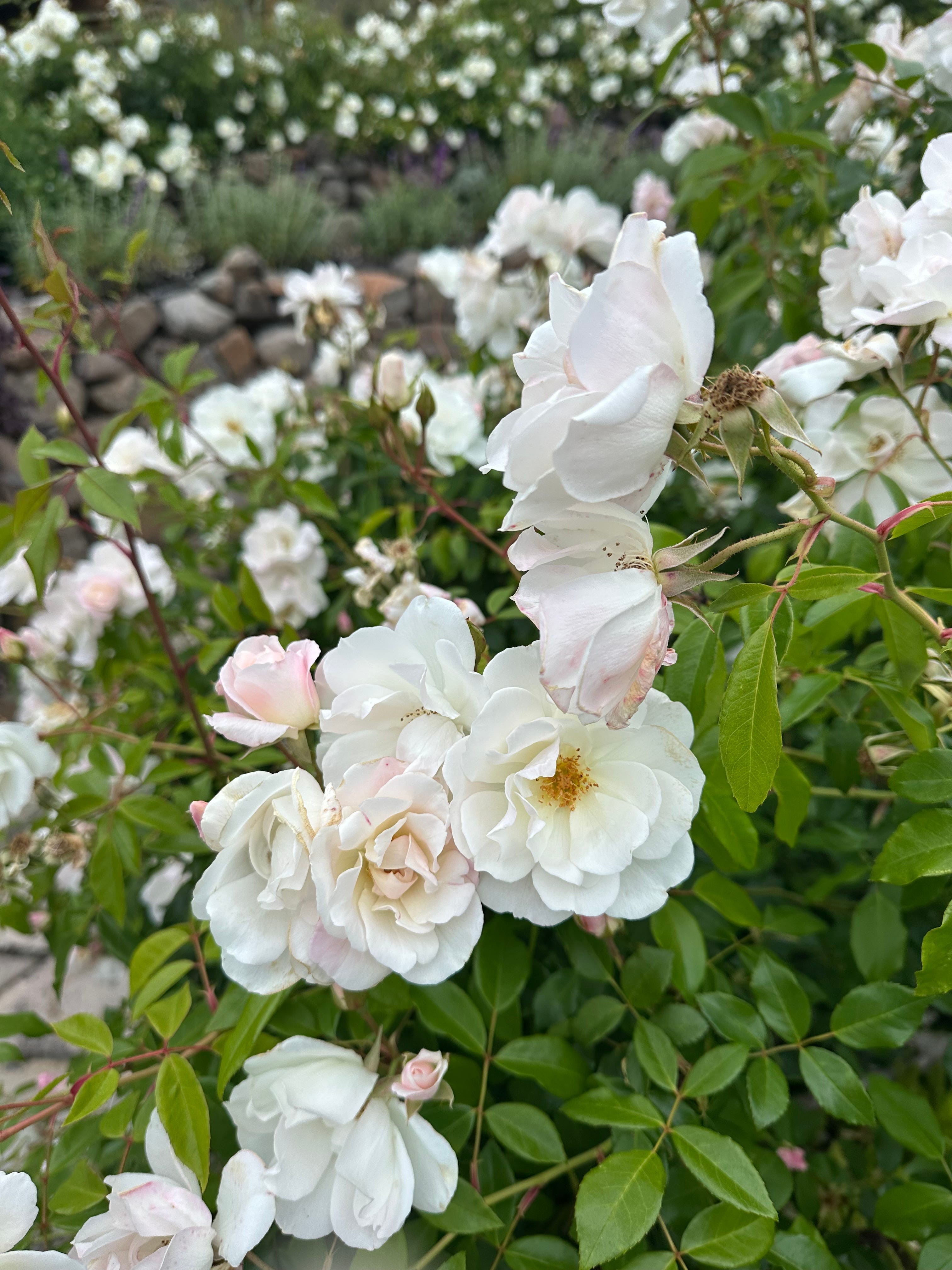
For example, after all my traveling, I came home to discover our neglected garden growing like gangbusters, blooming with abandon.
Admittedly, I tend to be an over-planter when it comes to flowers--anything creative really.
Whenever I visit a nursery, it's typical for me to come home with 10 of my favorite flowers instead of just one. I'm also hesitant to divide my plants, or weed out wildflowers.
What one person might see as clutter in my garden, I experience as abundance (especially when I see the hummingbirds and butterflies enjoying the chaos).
When we're on a path to making flow a habit, it's natural to look outward for answers. We want someone else to tell us what we "should" be doing to have our life flow happily along.
But that's not how it works.
Finding Your Own Flow Formula
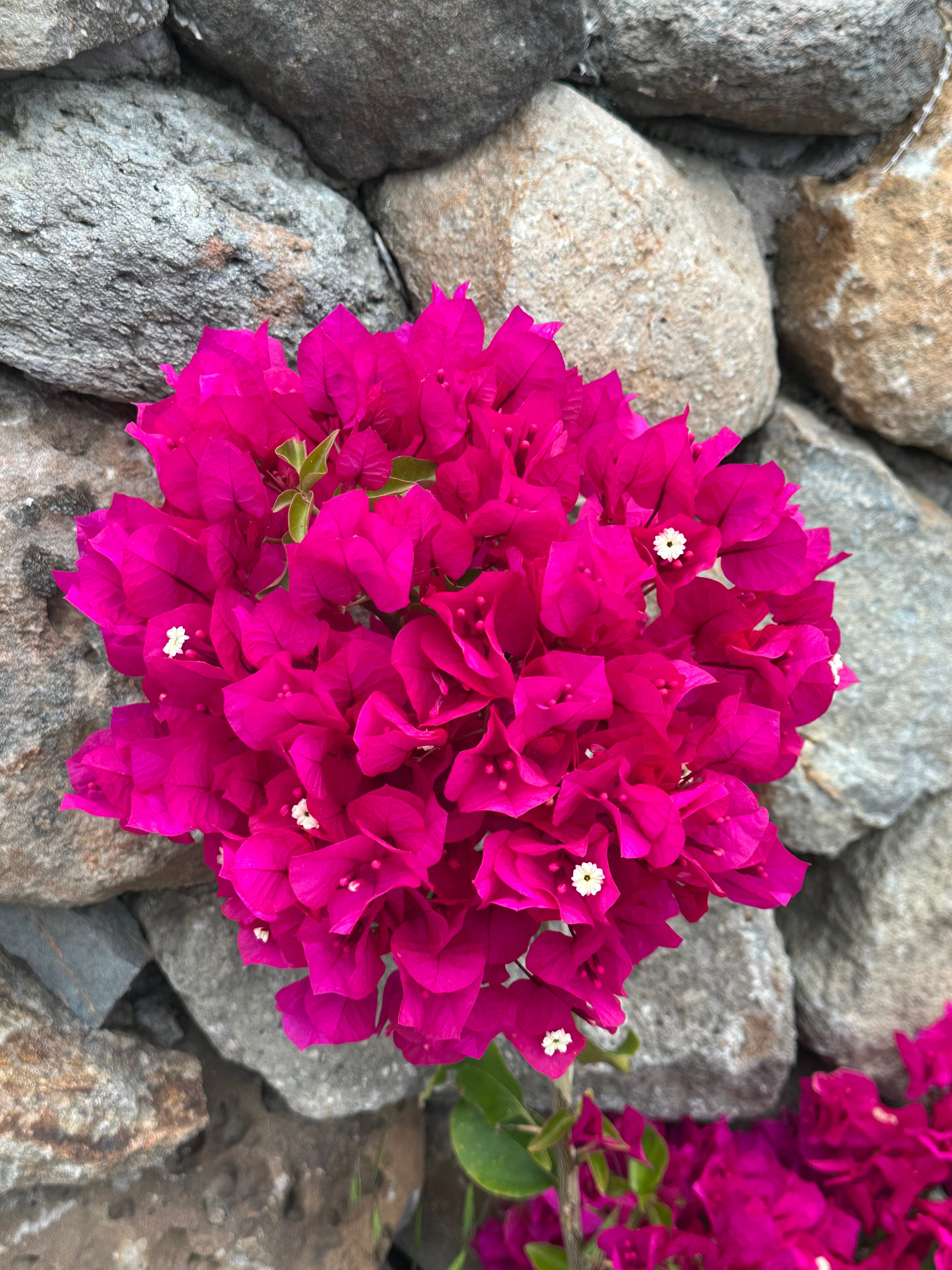
For me, a chaotic garden feeds my creative spirit as I look out the window and write. On the other hand, a simple wardrobe, whether traveling or not, frees me up to stay present for whatever comes my way.
The key is being conscious about how we do what we do, and honoring what uniquely works for us.
When we pummel forward unconsciously—hoarding, trying to control ourselves, or micromanaging others to avoid feeling certain emotions or where our intuition is calling us to go—flow stops.
Flowtivators Change
In my book The Flow Habit, I coined the word “flowtivator.” A flowtivator is any strategy or tool that boosts YOUR ability to get into flow. (They are different for each of us.)
It’s important to know that our flowtivators can change depending on the situation or time. What boosts our flow at one phase of our lives can impede it at another.
And, flowtivators are personal. I’ve included lots of exercises in The Flow Habit to help you figure out your own personal flowtivators.
Making flow a way of life begins with self-awareness, being willing to ask ourselves tough questions rather than going on auto-pilot.
Introspection is Key ~ Adopt a Flow Mindset
Another concept I introduce in my book The Flow Habit is adopting a Flow Mindset (see Chapter 4). There are four pillars of a Flow Mindset, all which begin with the letter “I.” Introspection is the first one!
The more courageous we are in coming to know ourselves, and the more honest we are with ourselves about what we discover, the better equipped we are to design systems that will help our lives flow.
How about YOU?
What are areas of your life where you love excess? How is that helping or hindering your flow?
What are the areas of your life where you like simplicity?
Are there any areas of your life that are overflowing too much, hindering your flow? What’s one small step you can take (start with 5 minutes) to start changing that?
What systems can you put into place to improve your ability to pivot and follow where your intuition and a higher flow are calling you to go?
Where might you be holding back too much, perhaps to keep yourself from feeling an emotion, or falling into flow?
What could you let go of to make better use of your time and energy, and more fully share your unique gifts with the world?
You Are Already a Flow Expert
If you're interested in uncovering more about your own unique formula for flow, check out my book The Flow Habit. I've written it with YOU in mind. It’s a simple-to-read roadmap to uncovering your own formula for flow, based on the latest research.
You also might enjoy episode #72 of The Flow Habit Podcast. It’s all about how to develop flow-friendly systems that work for you, and how to avoid the trap of creating systems just to be “organized.”
You're already a Flow Expert. The key is uncovering what you already know and putting it to action in your life.
Happy Flowing! 😊
~Laurie
(P.S. I’d love to hear from you! What works for you when it comes to getting your life to flow—doing less or more?)